
Insight that turns Finance and HR data into decisions you can defend.
Playbooks, research, and product notes from the partners, controllers, CFOs, and people leaders using cross-system intelligence to see problems early.
Featured
The latest from the Hobasa desk.
Top 10 Financial Anomaly Detection Software in the USA (2026)
Financial anomaly detection software flags the entries, payments, and patterns that don't look right, so a finance team reviews a short list instead of the whole ledger. In the USA, that matters for two reasons. US auditing standards call for journal entry testing, and fraud and errors tend to run for months before anyone notices. This guide compares ten tools US finance, audit, and controller teams shortlist in 2026, grouped by what each one watches: the ledger, spending, or plan-versus-actual numbers. It also covers what none of them check, because many costly problems sit between systems, not inside one.
What Is CAS in Accounting? Client Advisory vs Client Accounting Services Explained
If you searched "what is CAS in accounting," you probably found three different answers. The same three letters stand for client advisory services, client accounting services, and, in a separate corner of accounting, cost accounting standards. This guide sorts out the names, explains what CAS includes, and covers what a CAS practice needs to run well.
Read the piece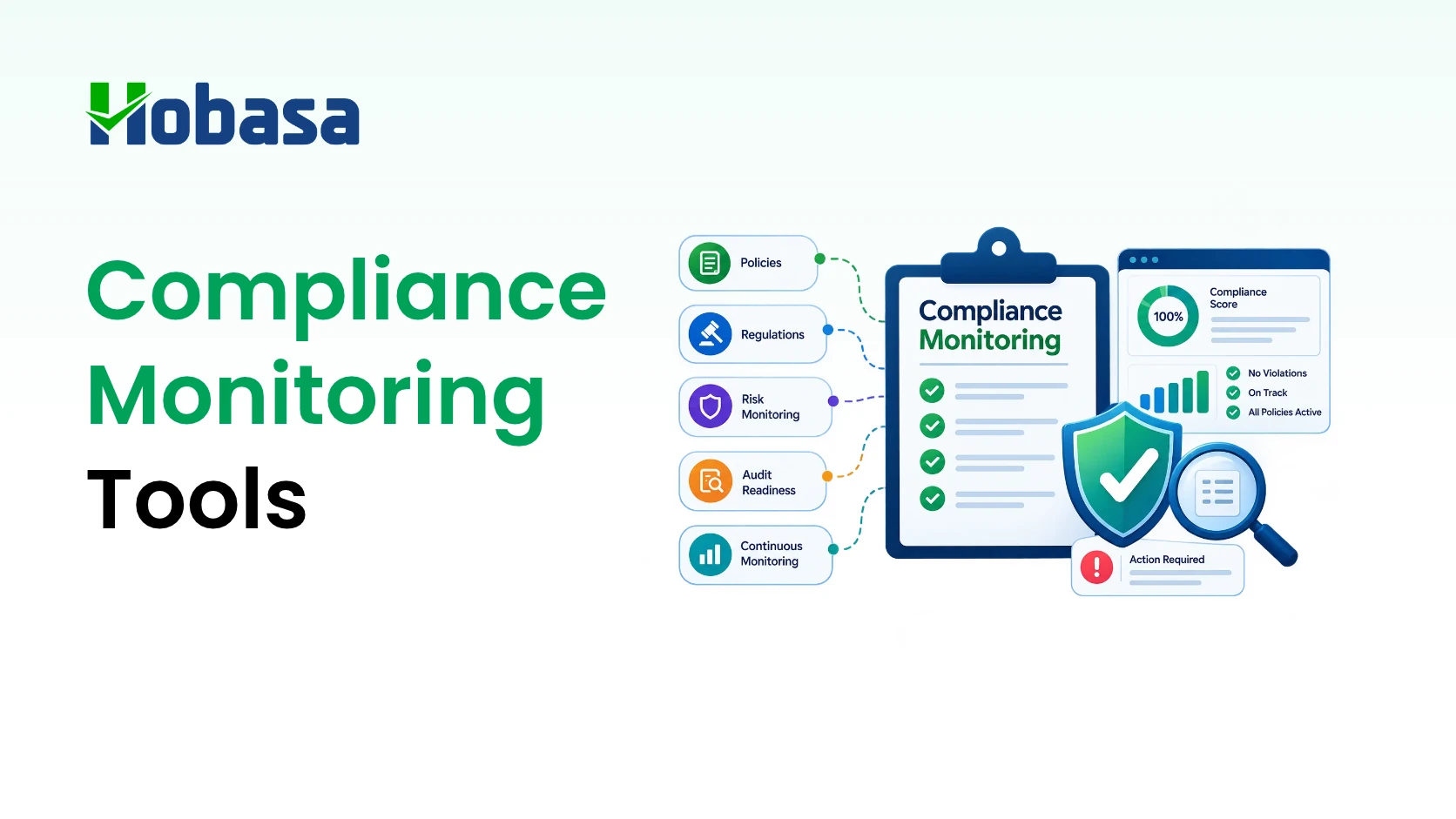
Compliance Monitoring Tools in 2026: 10 Options Compared for Security, Audit, Finance and HR Teams
The best compliance monitoring tool depends on what you need to prove. For security frameworks like SOC 2 and ISO 27001, teams usually shortlist Vanta or Drata. For enterprise audit and risk programs, Optro (formerly AuditBoard), MetricStream or Workiva. For financial controls inside the ERP, Pathlock, MindBridge or Datricks. For payroll tax compliance, a payroll platform such as Rippling. Many companies need more than one, because each tool watches its own slice of the business.
Read the pieceLatest Articles
10 Signs Your Payroll Data Is Wrong: How to Spot Payroll Data Errors Early
Payroll ran. Everyone got paid, the taxes went out, and no error message appeared. Then a manager asks why one warehouse crew has so much overtime, finance finds that labor cost doesn't tie to the ledger, and HR notices a former employee still on the register.Payroll data errors rarely announce themselves. Payroll software checks the math on the data it receives. It doesn't check whether that data still matches what HR, finance, and the schedule say. This guide covers ten signs your payroll data is wrong, how to check payroll data accuracy, and how to reconcile payroll against the rest of your systems.
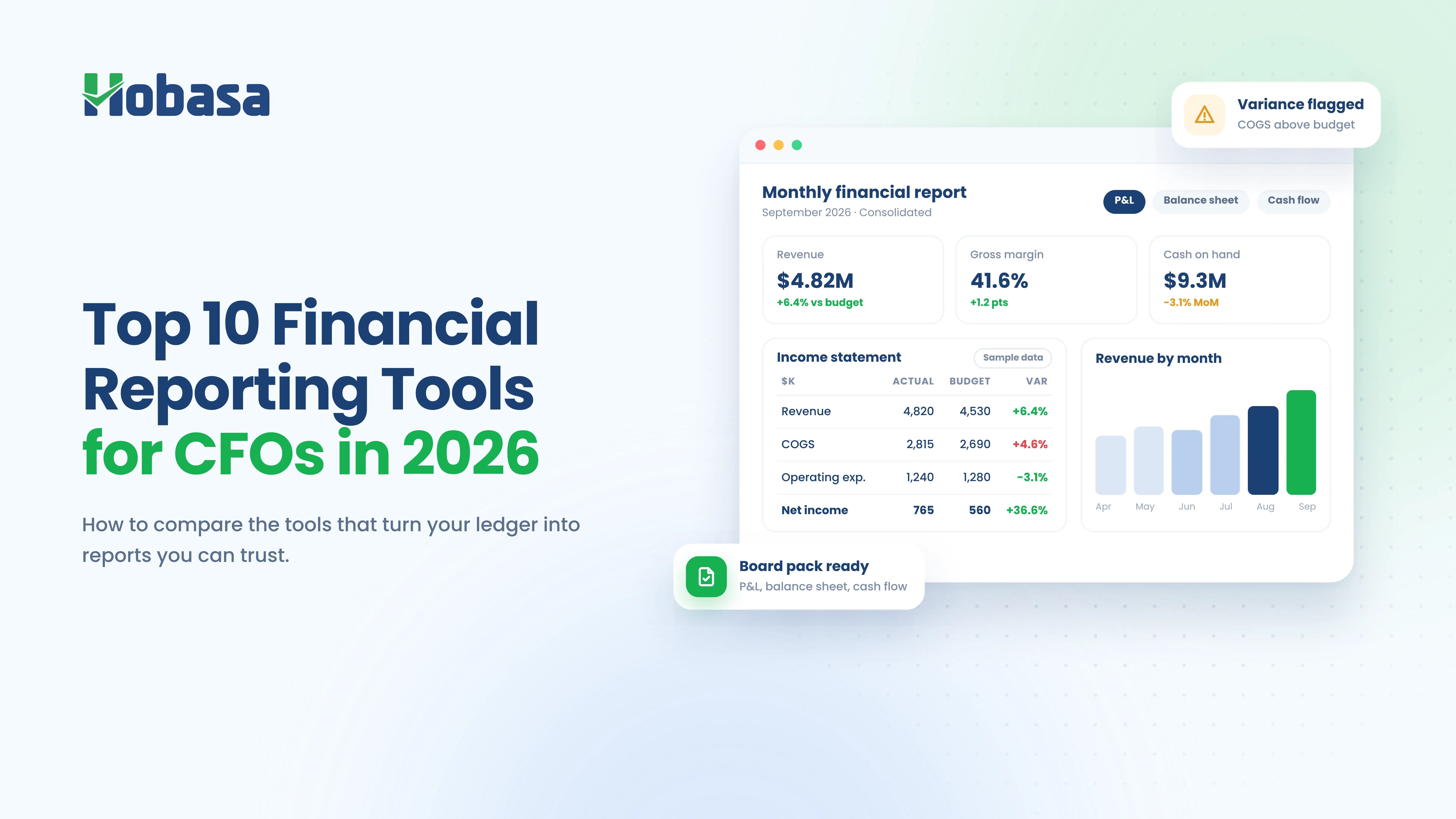
Top 10 Financial Reporting Tools for CFOs in 2026
Choosing financial reporting software for CFOs is harder than it looks, because the category has quietly split into very different products. Some tools exist to file disclosures. Some roll up entities and close the books. Some keep your team in Excel. Some are simply a dashboard on top of your ledger. This guide compares ten financial reporting tools CFOs actually shortlist in 2026, with honest strengths, limits, and who each one fits. It also covers what none of them check, because that gap is where many finance teams still get surprised.
Top 10 Workforce Planning Software for CHROs in 2026
Choosing workforce planning software is harder than it looks, because the category covers very different products. Some tools model headcount and budget. Some redesign the org. Some plan around skills. Some schedule shifts. A CHRO who buys the wrong type ends up with a beautiful plan nobody can execute. This guide compares ten workforce planning tools CHROs actually shortlist in 2026, with honest strengths, limits, and who each fits. It also explains why even the best plans fail when the starting numbers are wrong.
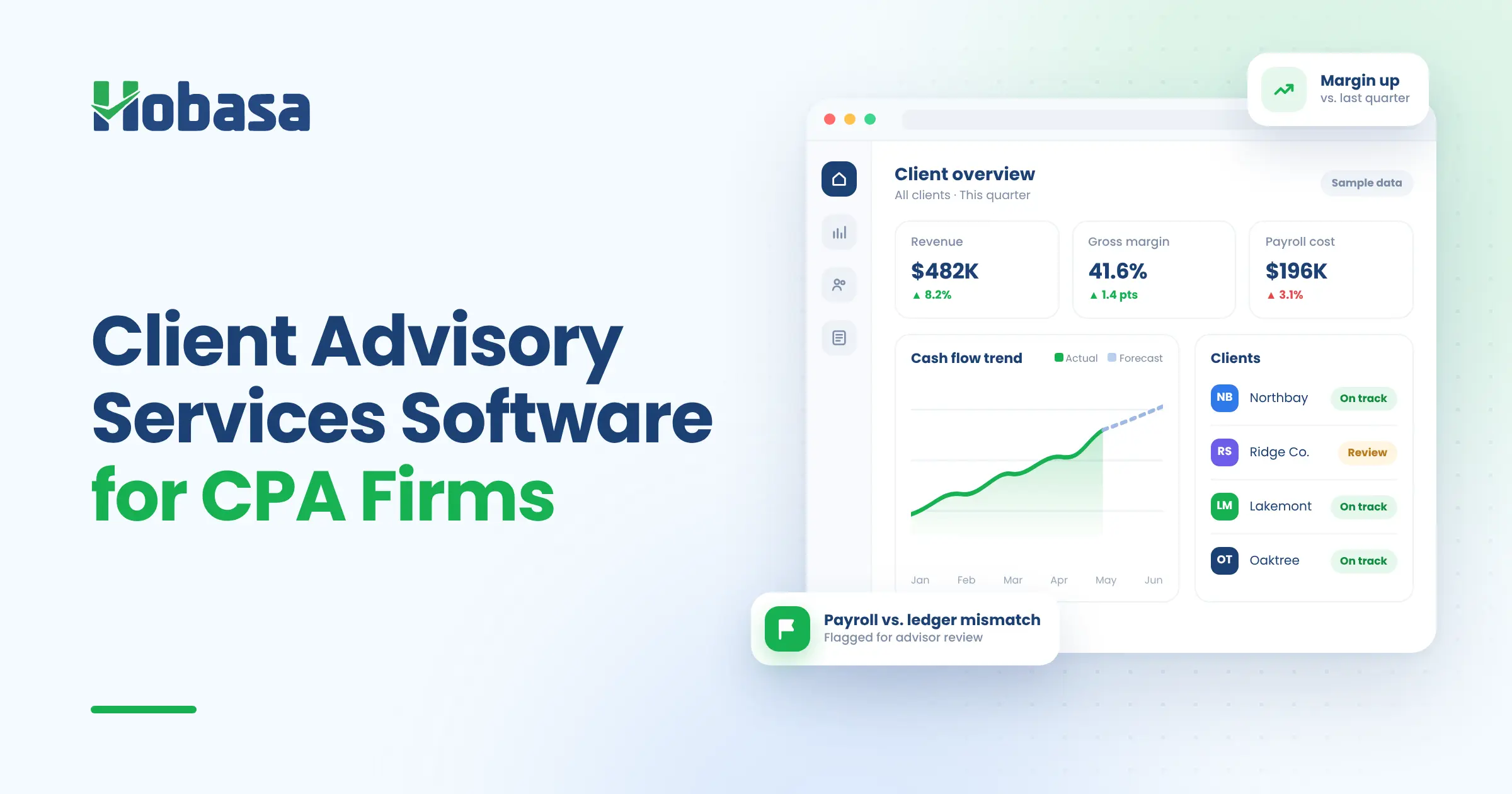
Top 10 Client Advisory Services Software for CPA Firms in 2026
Client advisory services software is not one product. It is a stack. A CPA firm running CAS usually needs tools for reporting, forecasting, client collaboration, and pricing, and no single vendor does all four well. This guide compares ten tools CPA firms shortlist in 2026, grouped by the job each one does in a CAS practice. It also covers what the stack still misses: the data preparation that eats advisory time before any insight starts.
HR Data Integration: Connecting Your HR Systems Without the Manual Work
An HRIS says a new hire starts on Monday. Payroll has no record of them. The applicant tracking system lists a different salary than the offer letter. On paper, all three systems are connected, and each one is quietly holding its own version of the same employee. HR data integration is meant to prevent exactly this, but connecting systems and keeping them in agreement turn out to be two different jobs. This guide covers the connections that matter most, why they break without announcing it, and how to check that your HRIS, payroll, and recruiting data actually agree.
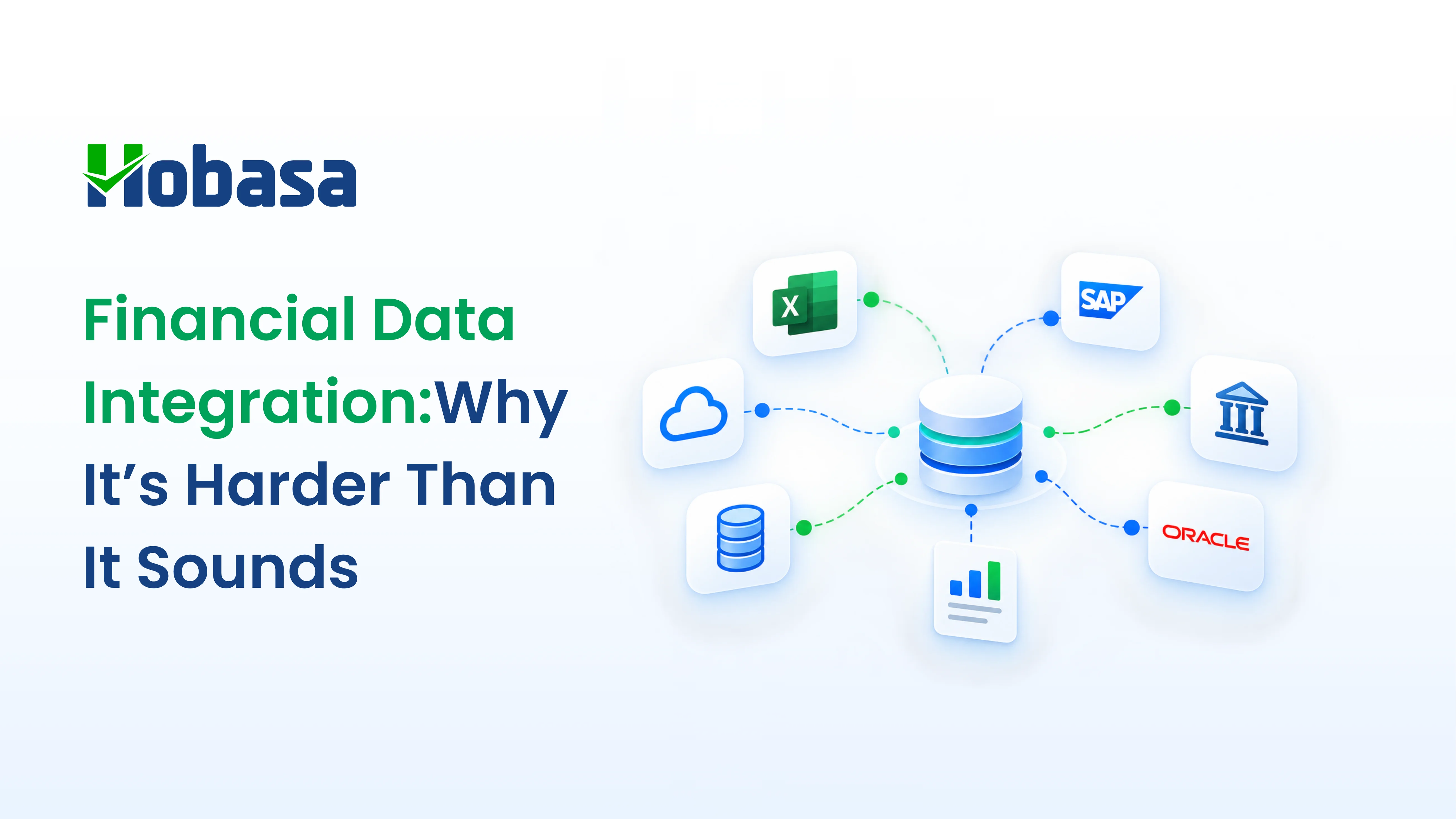
Financial Data Integration: What It Means and Why It's Harder Than It Sounds
A recent survey of 200 CFOs found that 67% of their finance teams manually key data between their ERP and banking platforms at least daily. Not occasionally. Daily. For a function that's supposed to run on systems, that's a striking amount of copy-paste standing in for integration that, on paper, should already exist.
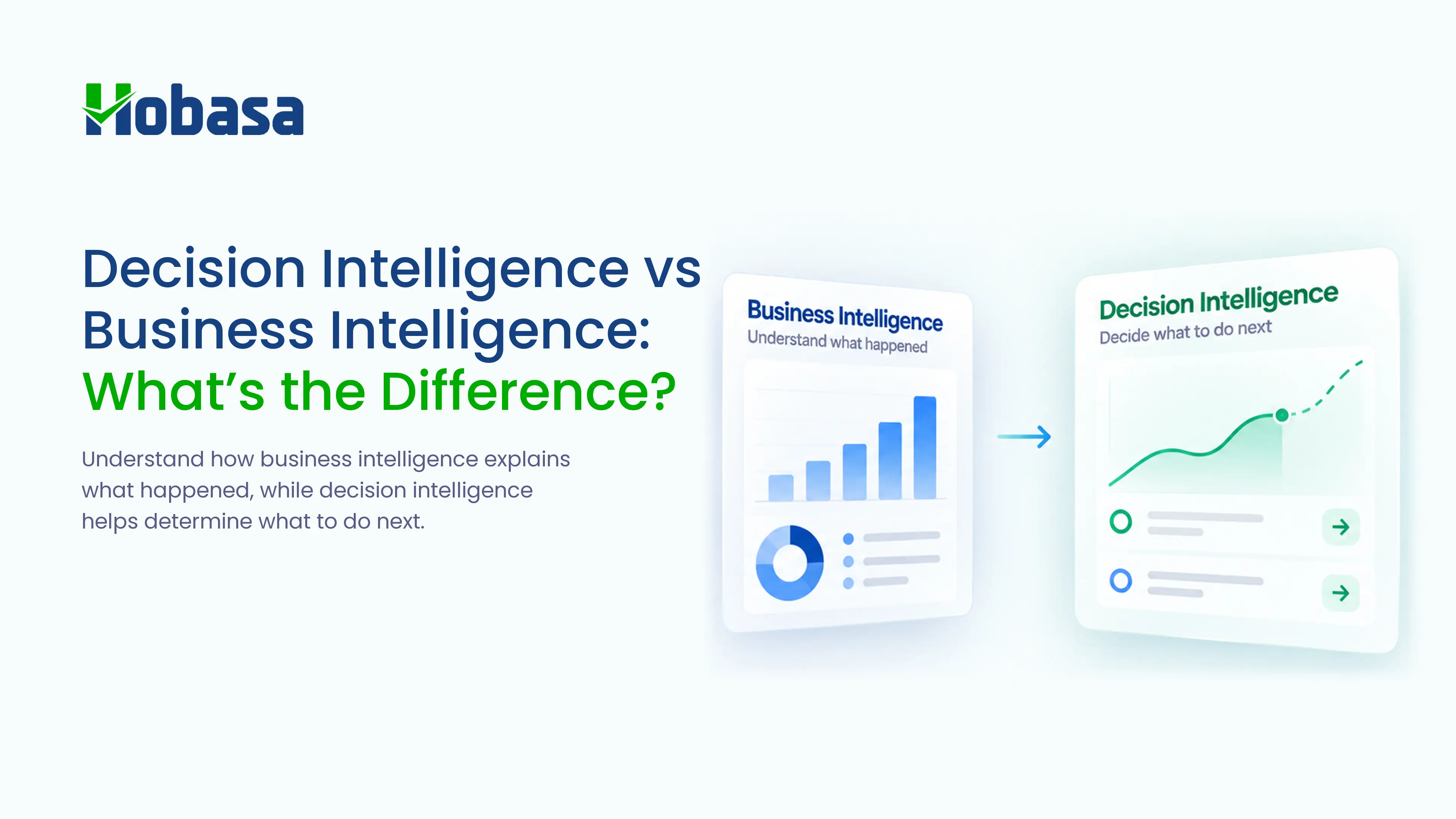
Decision Intelligence vs Business Intelligence: What's the Difference?
Most companies already have dashboards. Revenue by month, headcount by department, margin by product line, all reported clearly, all technically accurate. And still, when someone in the room asks "so what should we actually do about this," the dashboard has nothing left to say. That gap, between seeing a number and knowing what to do with it, is exactly the line between business intelligence and decision intelligence.
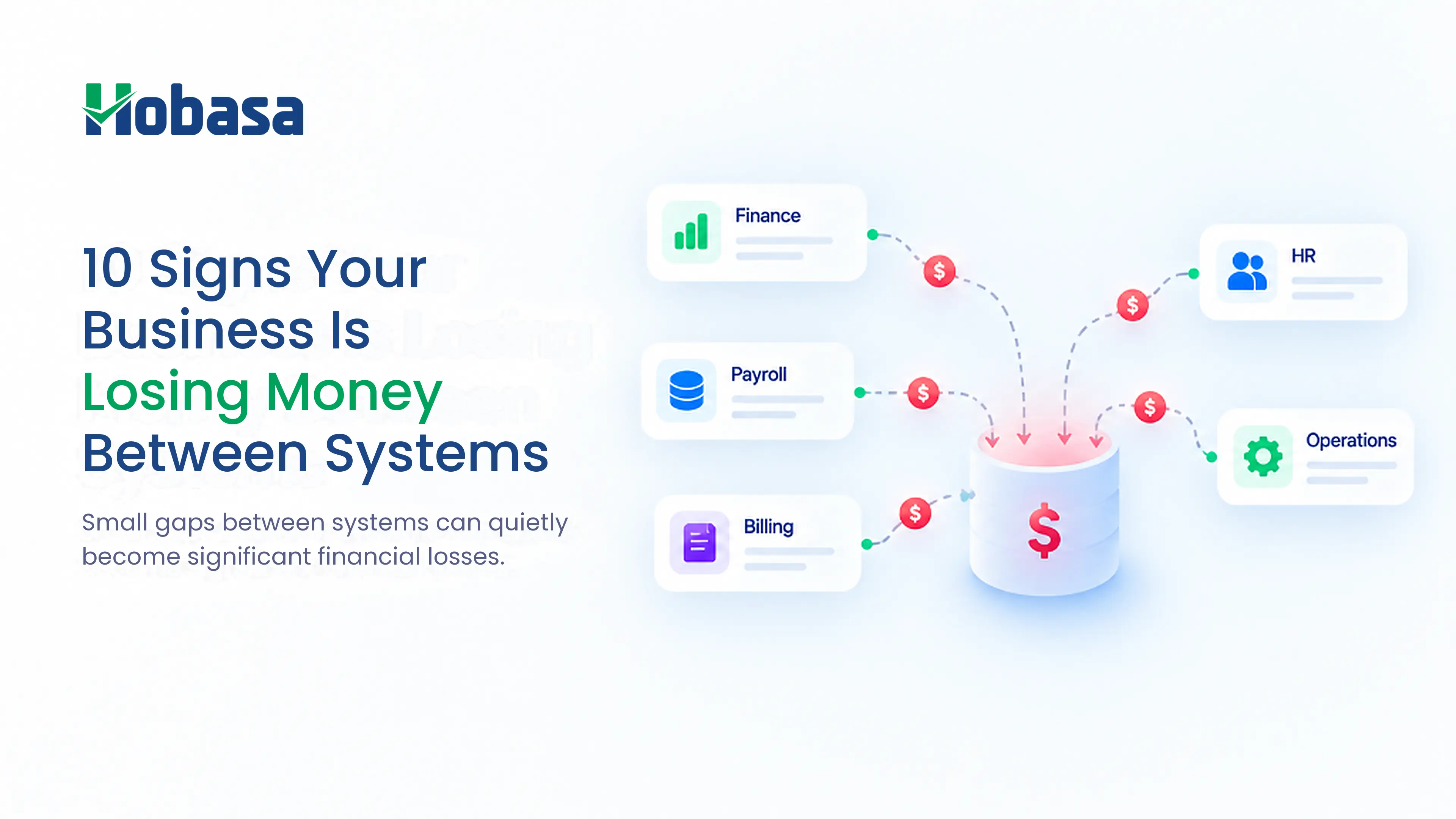
10 Signs Your Business Is Losing Money Between Systems in 2026
A business can look financially healthy on paper, hit its revenue targets, and still be quietly losing money every month. The losses do not show up as a single dramatic failure. They show up as small, repeated gaps between the systems that run the business, a sale the billing system never invoiced, a headcount number finance and HR disagree on, a discount nobody approved. Individually, each gap looks minor. Added together across a year, they can represent a meaningful share of revenue that a company earned and never actually collected.
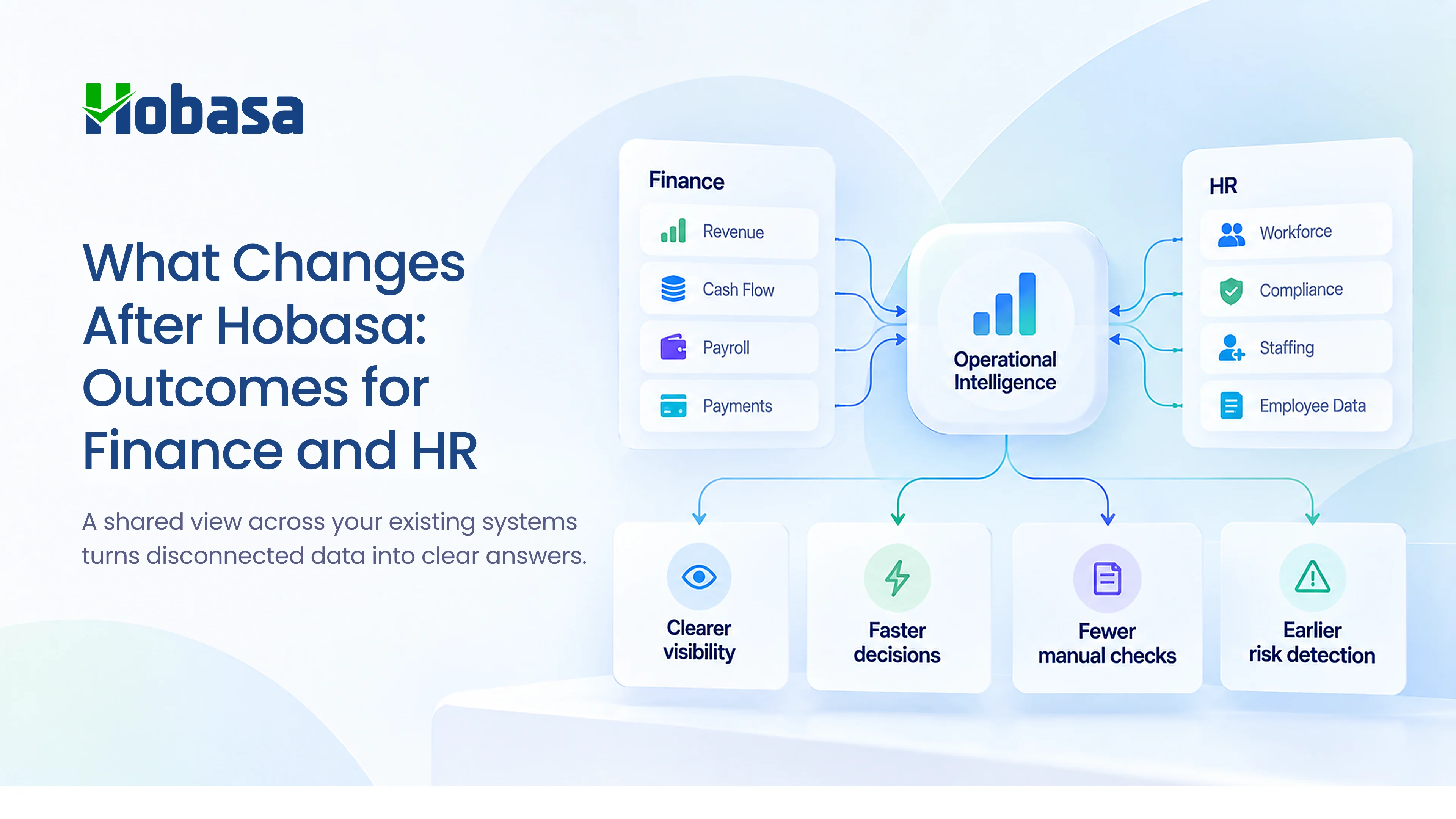
What Changes After Hobasa: Outcomes for Finance and HR Teams
Most Finance and HR teams do not lack data. They lack a shared view of it. A basic workforce cost analysis can take days because payroll, HR and the ledger each tell a different version of the same story, and cash flow visibility usually depends on someone manually pulling and reconciling three exports before anyone trusts the number. This is the gap Hobasa is built to close. Hobasa reads across your Finance, HR, payroll, recruiting and operations systems, without replacing any of them, and surfaces the patterns that only show up when those systems are read together. Here is what that actually changes for a Finance and HR team, in plain terms, not a sales pitch.