
Business Leaders
10 articles for Business Leaders.
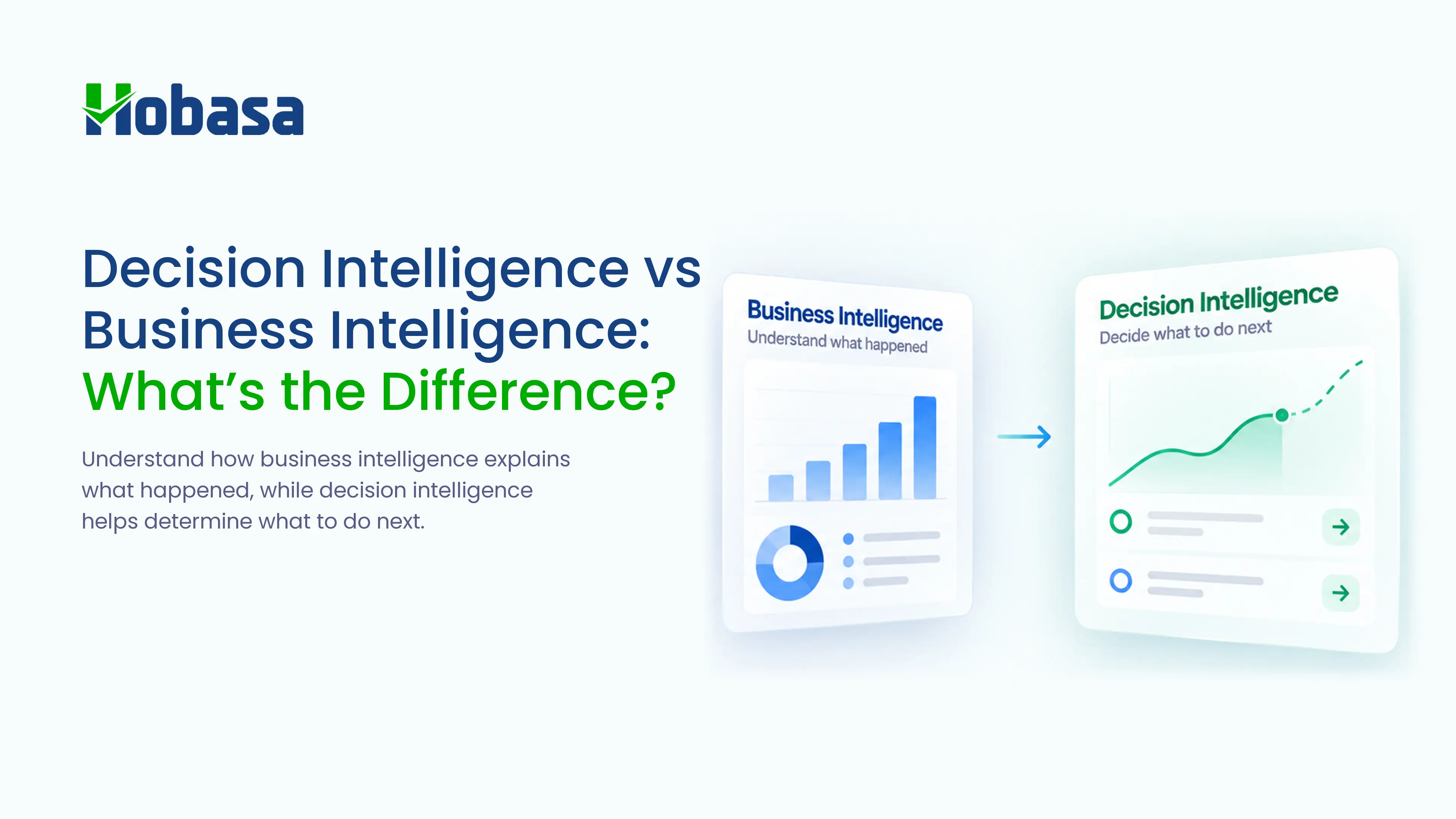
Decision Intelligence vs Business Intelligence: What's the Difference?
Most companies already have dashboards. Revenue by month, headcount by department, margin by product line, all reported clearly, all technically accurate. And still, when someone in the room asks "so what should we actually do about this," the dashboard has nothing left to say. That gap, between seeing a number and knowing what to do with it, is exactly the line between business intelligence and decision intelligence.
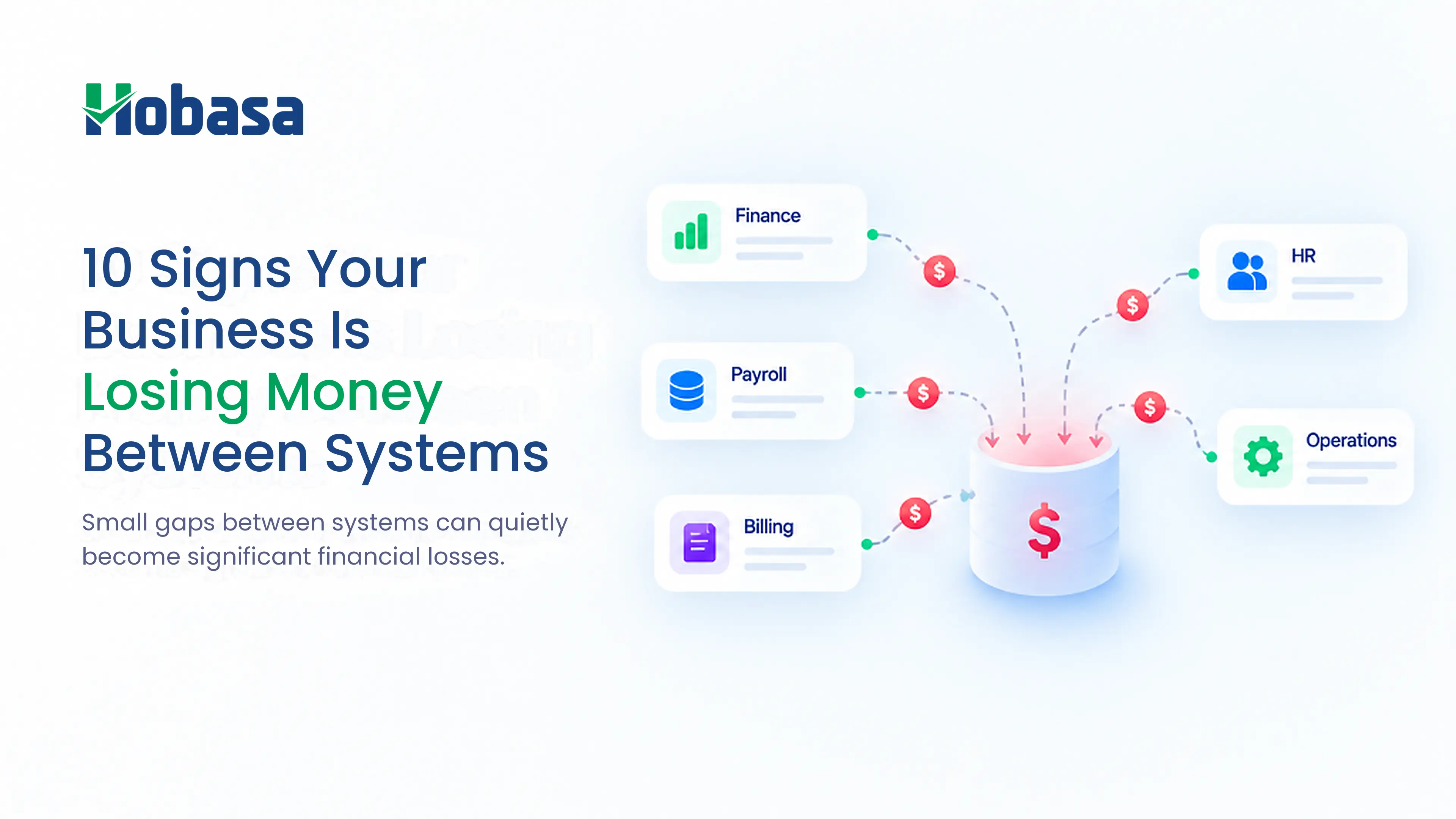
10 Signs Your Business Is Losing Money Between Systems in 2026
A business can look financially healthy on paper, hit its revenue targets, and still be quietly losing money every month. The losses do not show up as a single dramatic failure. They show up as small, repeated gaps between the systems that run the business, a sale the billing system never invoiced, a headcount number finance and HR disagree on, a discount nobody approved. Individually, each gap looks minor. Added together across a year, they can represent a meaningful share of revenue that a company earned and never actually collected.
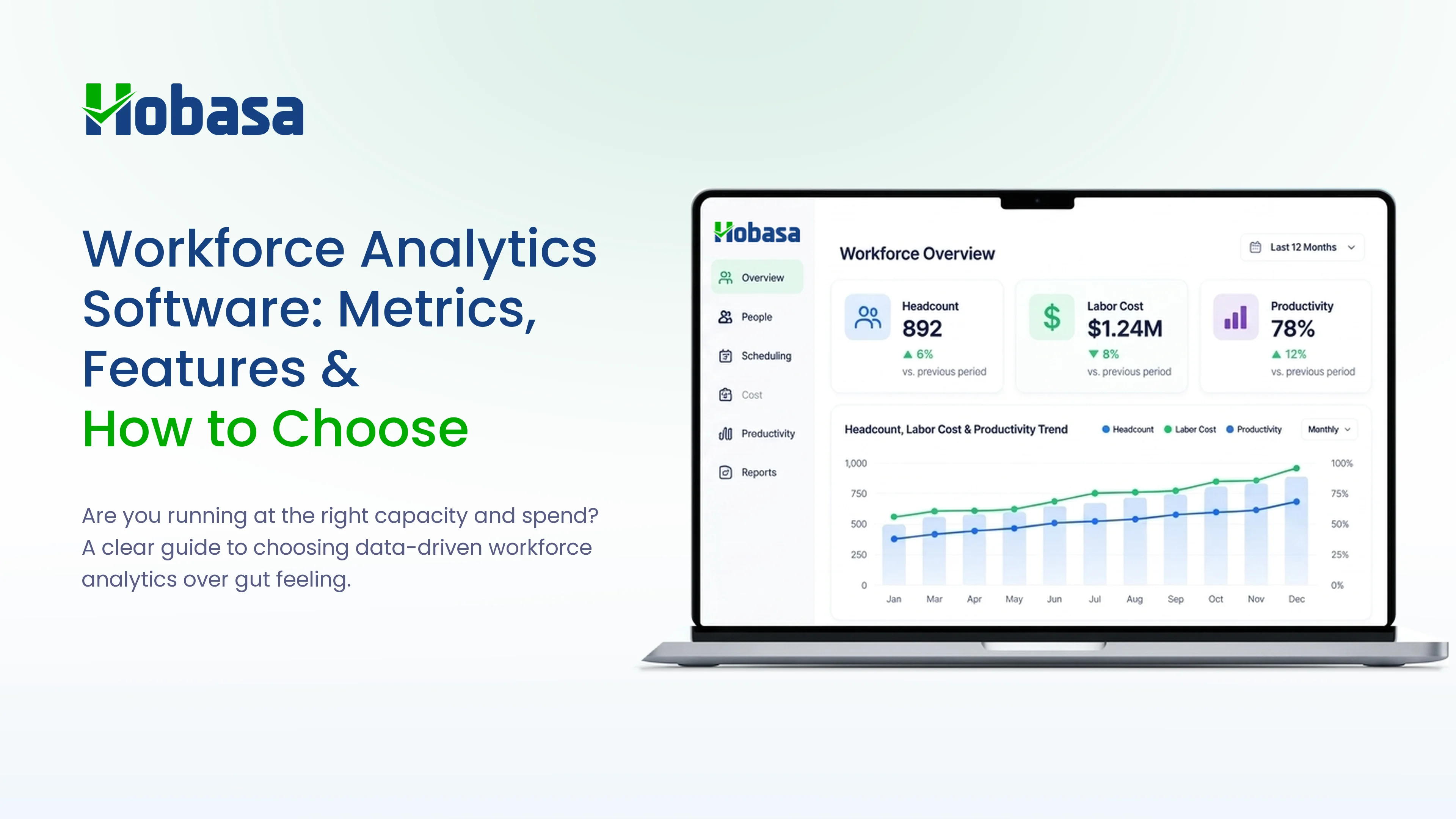
Workforce Analytics Software: Metrics, Features & How to Choose
Every leadership team eventually asks the same question in a different accent: are we running at the right capacity, spending the right amount on labor, and getting the productivity that spend should buy. Workforce analytics software exists to answer that question with data instead of a gut feeling. The problem is that most buyers shopping for it actually get HR analytics or people analytics instead, three related but genuinely different things wearing the same label.
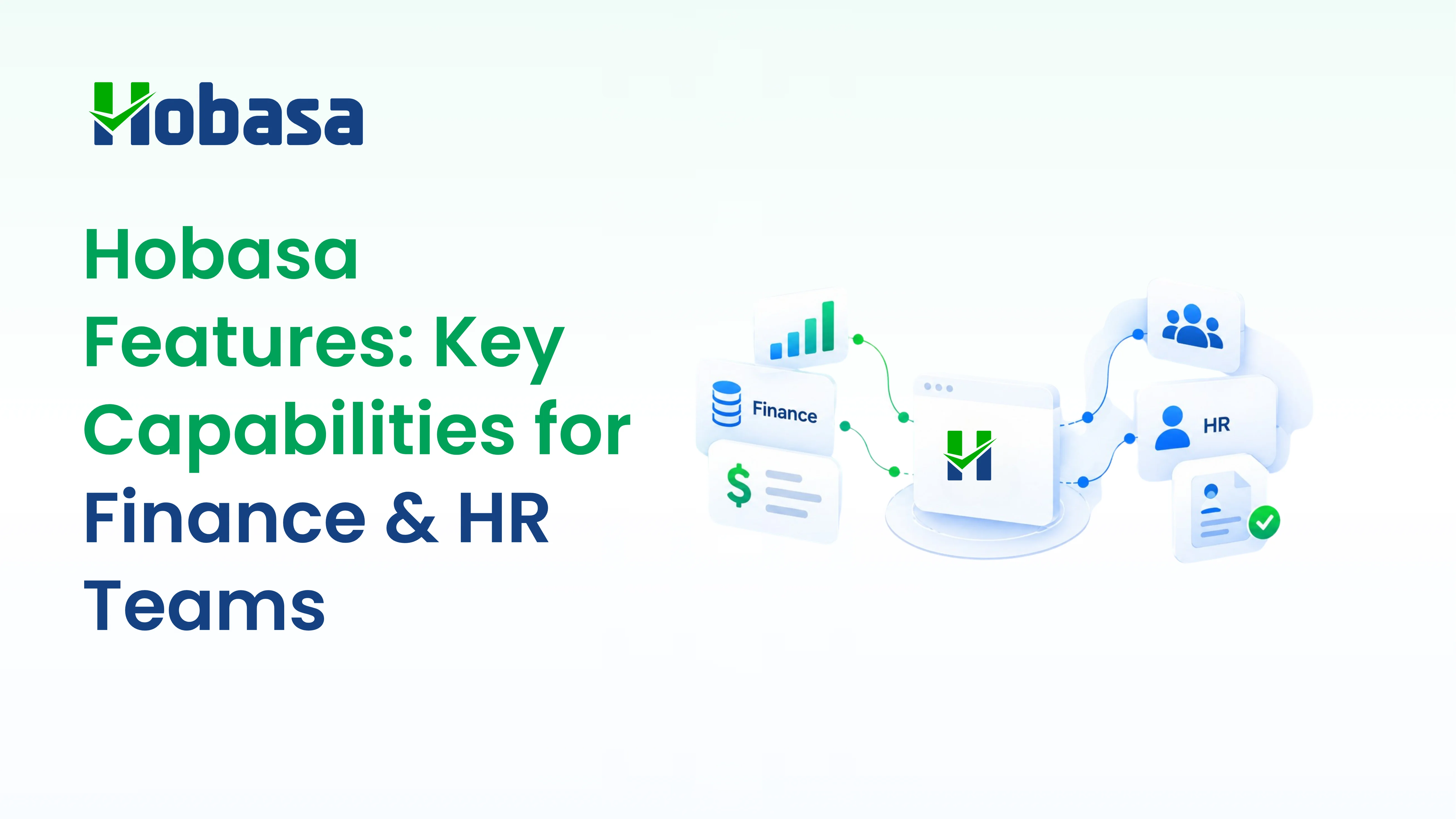
Hobasa features: Key capabilities for finance and HR teams
Finance and HR teams work with large volumes of information every day. Financial data may sit across accounting, ERP, billing, banking, and reporting systems, while workforce information is distributed across HRIS, payroll, recruiting, and other people-management platforms.
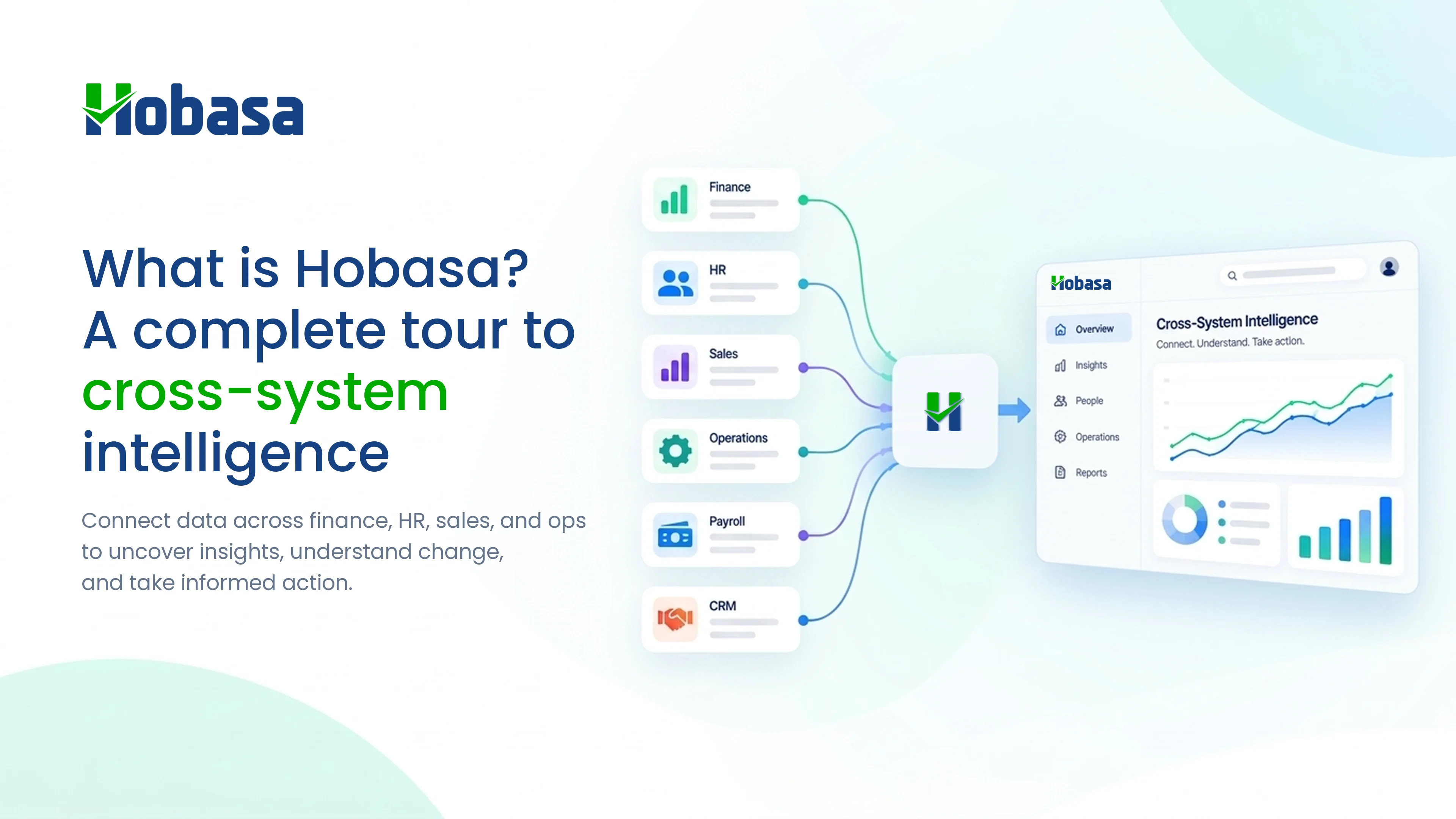
What is Hobasa? A complete tour to cross-system intelligence
Modern businesses operate across multiple systems. Finance, HR, sales, operations, payroll, CRM, and other functions each generate valuable data, but important business signals often sit across these systems rather than within a single source. Traditional BI and dashboards make it easier to monitor defined metrics and trends. But when leaders need to understand why something has changed, what is driving it, and what may require attention next, simply displaying data is not enough.
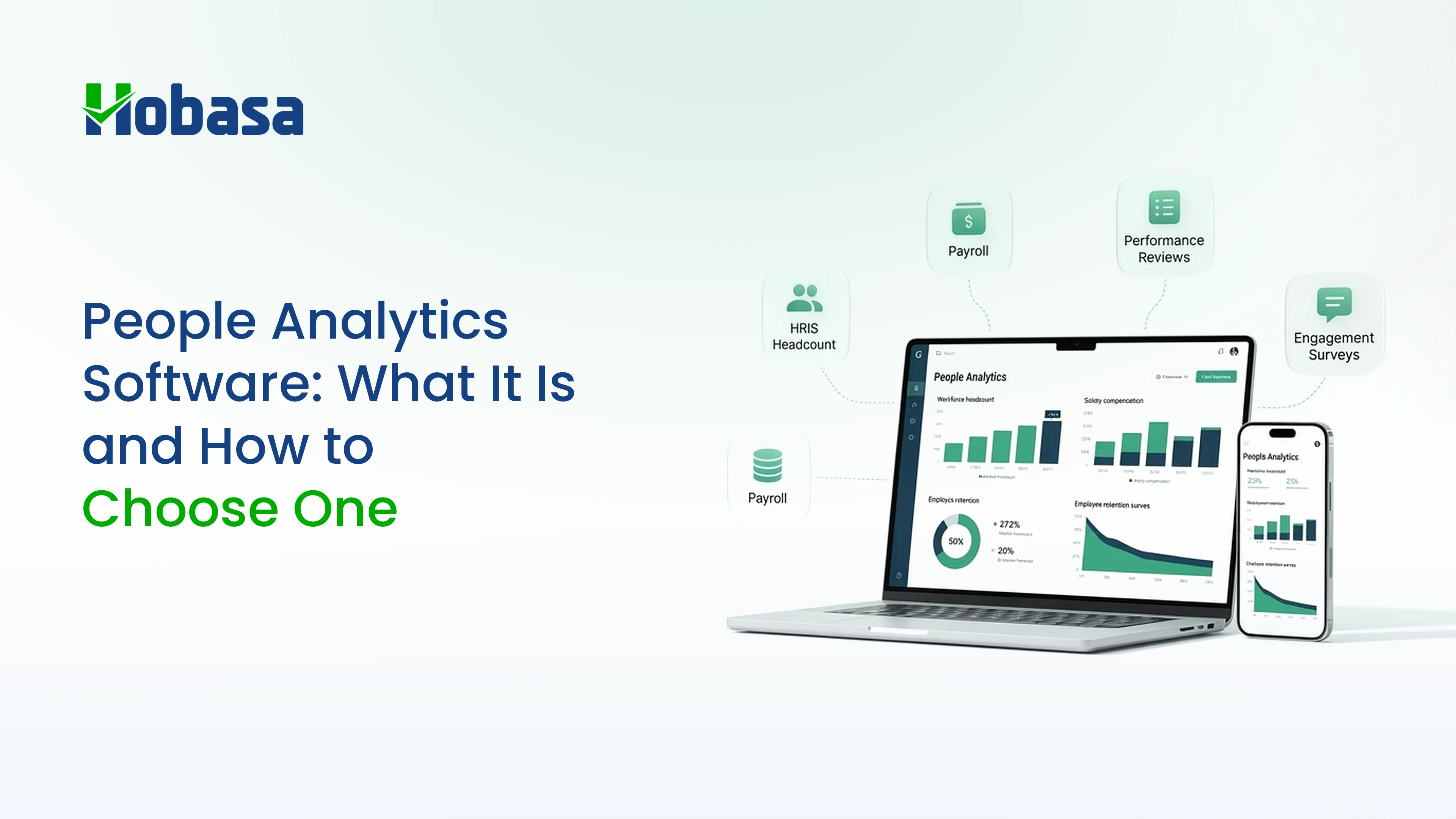
People Analytics Software: What It Is and How to Choose One
Every HR team already has data. Headcount lives in the HRIS, pay lives in payroll, performance lives in a review tool, and engagement lives in a survey platform nobody quite trusts. People analytics software exists to pull those pieces into one place and turn them into something a leader can actually act on. The harder question is not whether you need it. It is which kind, and how to tell a real one from a dashboard wearing the label.

The cost of delayed data in a world that's constantly changing
In a fast-changing business environment, the value of data is directly tied to its timeliness. Here's the true cost of delayed data - and why real-time intelligence is now indispensable.

The human skills indispensable for leaders in the age of AI
AI is reshaping how work is executed and decisions are made - but judgment, accountability, and context remain human responsibilities. Here's why human skills are the real differentiator for leaders in the AI era.

From fragmentation to alignment: Building a connected enterprise
Disconnected systems slow decisions, hide risks, and drag on execution. Here's how business leaders can turn fragmented information into connected insight - and why it's now a competitive advantage.
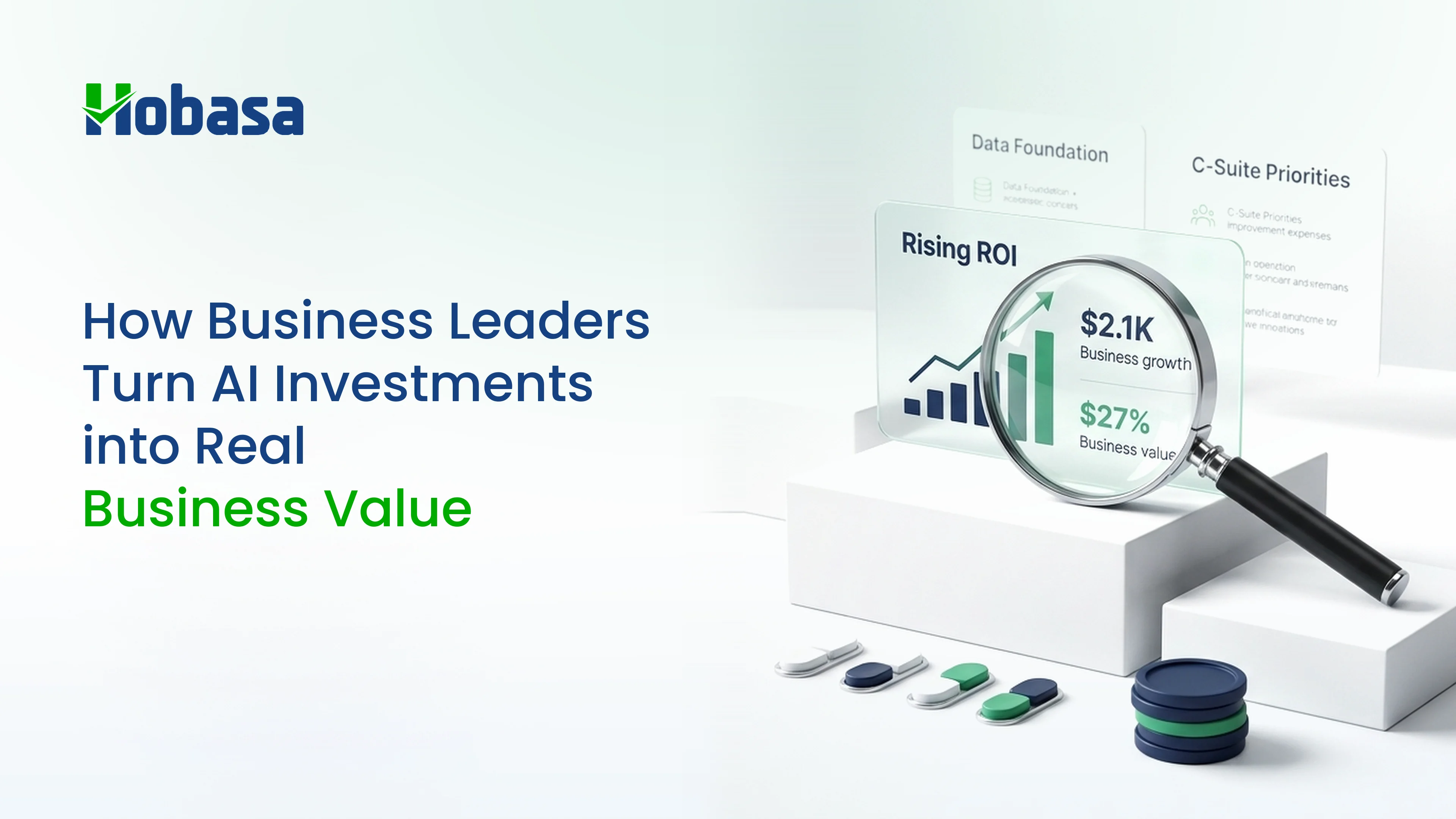
How business leaders can turn AI investments into real business value
AI adoption alone doesn't create value. Here's how C-suite leaders align AI with business priorities, strengthen data foundations, and turn pilots into durable outcomes.